


Cape Town’s Black South Easter Winds Explained
The Black South Easter is a powerful wind that sweeps through Cape Town during the summer months. Known for its intensity and unpredictability, this wind plays a significant role in the city’s weather patterns. For those interested in Tandem Paragliding and Guided Paragliding Tours, understanding these winds is crucial to ensure a safe and enjoyable experience.
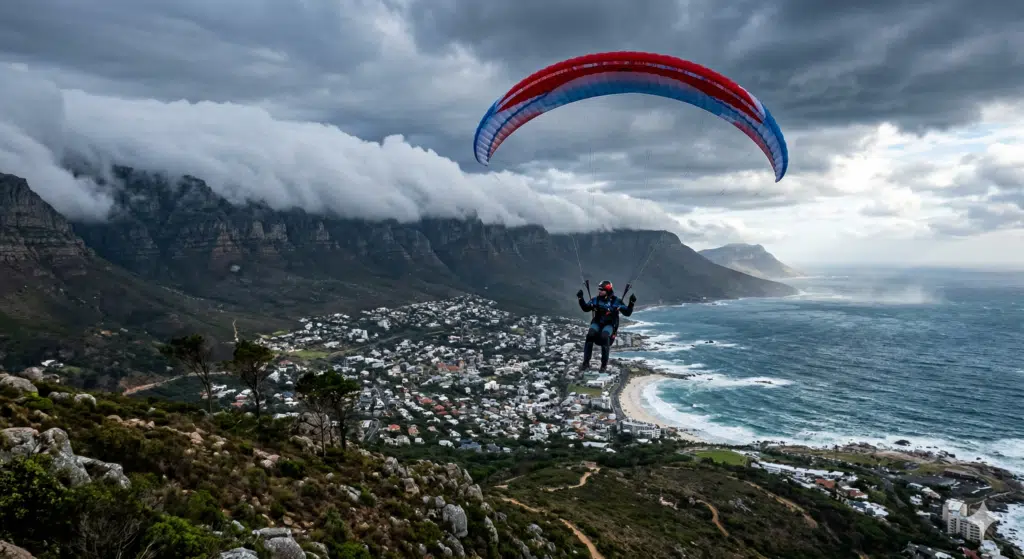
- The Black South Easter is a strong summer wind in Cape Town.
- It affects outdoor activities, especially paragliding.
- Understanding the wind’s patterns can enhance safety for paragliding.
- Local pilots and tourists should be aware of wind forecasts.
- The wind is both a challenge and a thrill for paragliders.
The Origin of the Black South Easter
The Black South Easter is a term used to describe the fierce southeasterly winds that blow over Cape Town during the summer months. These winds originate from the South Atlantic Ocean and are driven by high-pressure systems that develop over the ocean. As the wind travels towards the coast, it gains speed and power, often reaching gale force. This phenomenon is not only a natural spectacle but also a significant factor for local weather conditions.
The name ‘Black South Easter’ comes from the dark clouds that often accompany these winds, giving the sky a foreboding appearance. Historically, these winds have been both feared and revered by sailors and locals alike. For paragliders, understanding the origin and behaviour of these winds is essential for planning safe Tandem Paragliding experiences.
Impact on Cape Town’s Weather
The Black South Easter significantly influences Cape Town’s weather patterns. When these winds are strong, they can lead to cooler temperatures and even rain, despite the summer season. The wind’s cooling effect is often welcomed during hot days, but it can also bring about sudden weather changes that may catch tourists off guard.
For those planning Guided Paragliding Tours, it’s important to monitor weather forecasts closely. The unpredictable nature of the Black South Easter can affect visibility and flight conditions, making it crucial for pilots to assess the situation carefully before taking off. Being prepared for these sudden changes ensures a safer and more enjoyable paragliding experience.
The Role of the Black South Easter in Paragliding
Paragliding in Cape Town offers breathtaking views and an exhilarating experience, but the Black South Easter adds an extra layer of complexity. These winds can create challenging flying conditions, especially for beginners. However, experienced pilots often embrace the challenge, using the wind’s power to achieve longer and more dynamic flights.
For Tandem Paragliding, where an experienced pilot is paired with a passenger, understanding the wind’s behaviour is vital. The wind can enhance the thrill of the flight, but safety must always be the priority. Pilots must be skilled in navigating these winds to provide a secure and enjoyable ride for their passengers.
Safety Tips for Paragliding During the Black South Easter
Safety is paramount when engaging in paragliding activities, particularly during the Black South Easter. Pilots should always conduct thorough pre-flight checks, including assessing wind speed and direction. It’s advisable to consult with local experts who have a deep understanding of Cape Town’s wind patterns.
For those new to paragliding, opting for Guided Paragliding Tours is a wise choice. These tours are led by seasoned pilots who are well-versed in handling the Black South Easter, ensuring that participants can enjoy the thrill of flight without compromising on safety. Always wear appropriate gear and follow the pilot’s instructions to mitigate risks associated with these strong winds.
Best Times and Locations for Paragliding in Cape Town
While the Black South Easter can present challenges, it also offers unique opportunities for paragliders. Certain times of the day, such as early morning or late afternoon, may provide more stable wind conditions. Locations like Signal Hill and Lion’s Head are popular spots for paragliding, offering stunning views of the city and ocean.
Before heading out, always check the latest weather reports and consult with local paragliding schools or clubs. They can provide valuable insights into the best times and conditions for flying. By planning ahead and staying informed, paragliders can make the most of Cape Town’s beautiful landscapes while navigating the Black South Easter safely.
Frequently Asked Questions
How much does paragliding in Cape Town cost?
Paragliding in Cape Town can vary in cost depending on the type of experience you choose. Tandem paragliding flights typically range from R1,200 to R1,800. This price usually includes all necessary equipment and a professional pilot to guide you through the experience.
For those interested in more extensive experiences, Guided Paragliding Tours may offer additional options, such as longer flights or specialised routes. These tours can provide a more tailored experience, allowing you to explore different parts of Cape Town’s stunning landscape from above.
How much money does paragliding cost?
The cost of paragliding can depend on several factors, including location, duration, and the type of flight. In general, tandem paragliding flights can cost anywhere from R1,200 to R2,000. This price typically covers the use of equipment, safety gear, and the expertise of a trained pilot.
It’s important to consider additional costs, such as travel to the take-off site and any optional extras like photos or video footage. Always check with the paragliding provider for a detailed breakdown of costs before booking your flight.
What is the fatality rate of paragliding?
Paragliding is generally considered a safe sport when conducted under proper guidance and with the right safety measures in place. The fatality rate is relatively low, with estimates suggesting around 1 in 11,000 flights may result in a fatal accident.
However, risks can be minimised by choosing reputable paragliding operators, following all safety instructions, and ensuring that all equipment is in good condition. Engaging in Tandem Paragliding with experienced pilots further reduces the risk, providing a safer experience for beginners.
How much does a paraglider cost in South Africa?
The cost of a paraglider in South Africa can vary based on the type and brand of the equipment. New paragliders typically range from R25,000 to R50,000. This price includes the wing, harness, and other essential gear.
For those new to the sport, renting equipment or purchasing second-hand gear can be a more affordable option. It’s crucial to ensure that any used equipment is thoroughly checked for safety and reliability before use.
What are popular paragliding spots in Cape Town?
Cape Town boasts several popular paragliding spots, each offering unique views and experiences. Signal Hill and Lion’s Head are two of the most frequented locations, known for their breathtaking vistas of the city and ocean.
Paragliding from Table Mountain provides a more challenging experience, with its higher altitude and varying wind conditions. For those seeking a coastal flight, Sea Point offers stunning views of the Atlantic Ocean. Each spot has its own charm, making Cape Town a premier destination for paragliding enthusiasts.


