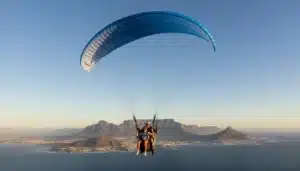
Mistakes are a reality of daily life, but in extreme sports like paragliding, even small errors can be dangerous. And there are plenty of mistakes that we see time and time again in those just getting into the sport. If you’re new to paragliding, be wary of the following:
Learning the Wrong Way
In today’s world of YouTube videos and countless amateur blogs, there’s no shortage of voices trying to make themselves heard. You could try to self-educate on paragliding techniques (just as with any other topic), but in an extreme sport like this, there’s just too much risk. Seeking out qualified paragliding instructors with proper training is a must, and learn from their experience.
Overestimating your Skills
Once you’ve got a grasp on the basics, it becomes easy to get overconfident. The excitement and adrenaline become almost overwhelming, and you start thinking about trying some acrobatics or launching in high winds. Even expert paragliders aren’t immune to this kind of thinking, so just remember to stay safe out there. Don’t put yourself at needlessly increased risk; it’s a recipe for disaster.
Excessive Pride
This goes somewhat hand-in-hand with the previous point, but it’s worth stressing again. There’s a certain amount of overcoming your fear involved with any extreme sport, but if you’re feeling genuinely uneasy about the situation, there’s no shame in stepping back. Sometimes people fear landing early or launching themselves in less-than-perfect weather conditions, but we say it’s better to be safe than sorry.
Overspending on Gear
Because your paragliding gear is what keeps you alive, a lot of people tend to rush into expensive purchases, associating more expensive with higher quality. In addition, nobody wants to buy the cheaper stuff and find that it’s just too limiting, right?
The good news is that today’s entry-level wings mix durability, stability, and agility in an incredibly impressive way. Safety is at the forefront of design in cheaper rigs, but there’s still so much you can do in them. We’ve actually prepared a list of several good choices for your first paraglider, so check it out if you’re starting to shop around.
FAQs
What are the common mistakes beginners make in paragliding?
Common mistakes include: Learning the wrong way (relying on unreliable online sources), overestimating one's skills (leading to premature, risky manoeuvres), excessive pride (ignoring unease or safety concerns), and overspending on gear (assuming a higher price guarantees better quality).
How can I avoid learning the wrong way in paragliding?
It is essential to seek out qualified instructors and enrol in a certified paragliding school. This provides structured, hands-on lessons and ensures you learn the correct techniques and safety protocols from the start, rather than relying on the often-incomplete guidance from online resources like YouTube.
What should I do if I feel overconfident in my paragliding skills?
If you feel overconfident, you must take a step back and assess your abilities realistically. Avoid attempting advanced manoeuvres or flying in challenging conditions. Always prioritise safety, remember that even experienced pilots face challenges, and seek advice from instructors or more experienced peers.
Is it okay to feel uneasy about paragliding conditions?
Yes, it is completely okay to feel uneasy. Recognising your limits and erring on the side of caution is a sign of maturity as a pilot. You must always prioritise your safety and well-being over the desire to fly in less-than-ideal or apprehension-inducing conditions.
How can I choose the right paragliding gear without overspending?
To avoid overspending, research entry-level options that balance durability, stability, and agility. Consult with instructors for reliable recommendations, as many reputable brands offer affordable, budget-friendly gear designed with safety and performance in mind.
What are the essential items I need for paragliding as a beginner?
Essential beginner items include a reliable paraglider, a harness, a helmet, and a reserve parachute. Additionally, you should invest in a variometer (for altitude monitoring) and a GPS device for navigation, along with appropriate clothing and footwear.